
5 Best Baby Headphones for Airplane Travel
Baby 2-in-1 Noise Protection Headphones is the top pick for most buyers because its two-in-one design supports both quiet protection and audio use. For parents comparing the best baby headphones for airplane travel, that flexible setup can be more useful than a single-purpose earmuff.
This guide is for families planning flights with infants and young children. The most important details are a secure, comfortable fit, soft materials around the ears, and clear coverage of outside noise. Battery needs also matter if the headset plays audio, especially on long trips without easy charging access. The five picks below are ranked with clear reasons and honest drawbacks for each, so you can match the headset to your child’s age, head size, and travel routine.
Quick Comparison
| # | Product | Best For | Price | |
|---|---|---|---|---|
| 1 | Baby 2-in-1 Noise Protection Headphones | Babies Needing Adjustable Hearing Protection | ~$14 | View → |
| 2 | BBTKCARE Baby Ear Protection Headphones | Infants At Busy Family Events | ~$18 | View → |
| 3 | Baby Earmuffs Noise-Reducing Headphones | Toddlers Sensitive To Sudden Sounds | ~$17 | View → |
| 4 | Floriogra Baby Noise Protection Headphones | Babies Attending Concerts And Festivals | ~$10 | View → |
| 5 | Alpine Muffy Baby Ear Protection | Travel-Focused Parents With Young Infants | ~$30 | View → |
5 Baby Headphone Picks for Flights
These five baby headphones are ranked from fifth place down to the top pick for easy comparison.
5. Alpine Muffy Baby Ear Protection

Best for: Babies at flights, fireworks, and events
Alpine Muffy Baby earmuffs reduce a baby’s exposure to loud surroundings during travel, events, and noisy household moments. They fit head circumferences from 15.4 to 19.7 inches, covering most babies and toddlers up to about 4 years old. The adjustable headband helps the fit keep pace with early growth.
The ear caps use multiple layers of noise-reducing foam with soft padding around the ears. An anti-slip headband helps keep them in place, while the design avoids hard parts that could press against a child’s head. The earmuffs are tested and certified for a 23 dB SNR reduction under US and EU regulations. That rating can lower sound exposure, but it does not block every loud noise. A carrying pouch comes with the set. The product is also described as pediatrician recommended, based on feedback from 152 pediatricians who reviewed leading baby hearing protectors. At around $30, they cost more than basic foam options but offer a reusable design for several years of early childhood.
Pros
- Adjustable 15.4 to 19.7-inch fit supports babies through roughly age 4.
- 23 dB SNR-rated foam reduces exposure to loud environments.
- Soft padding, an anti-slip band, and a carrying pouch improve daily practicality.
Cons
- The 23 dB rating reduces noise but does not provide full sound isolation.
- A proper fit may take adjustment, especially with very active toddlers.
4. Floriogra Baby Noise Protection Headphones

Best for: Babies at flights and fireworks
Floriogra baby earmuffs are designed for infants and toddlers from 0 to 36 months. They use a BPA-free ABS shell with soft PU leather padding around the ears. The listed noise reduction rating is 25 dB, which may reduce exposure to airplane cabins, fireworks, and crowded venues. These are passive earmuffs, not electronic headphones, so they do not play music or create adjustable sound cancellation.
The wide, cushioned headband aims to avoid pressure on a young baby’s soft fontanelle. A Velcro strap adjusts the fit, while anti-slip grips help keep the cups in place. At 4.2 ounces, they are light enough for travel, and the included pouch makes storage easier. Floriogra lists CE and ANSI certification, plus a hypoallergenic design, but buyers should still check the fit and watch for skin irritation. Around $10, they offer a low-cost option for occasional outings, naps, or flights.
Pros
- 25 dB rated noise reduction can soften loud environmental sounds.
- Wide padding and enclosed cups are designed for babies under 18 months.
- Adjustable strap, 4.2-ounce weight, and storage pouch suit travel.
Cons
- The 0-36-month age range covers many head sizes, so fit may vary between babies.
- Passive earmuffs reduce outside noise but do not provide music or active noise cancellation.
3. Baby Earmuffs Noise-Reducing Headphones

Best for: Infants at loud family events
These baby earmuffs are designed for children from 0 to 36 months. Their passive noise-blocking foam claims to reduce loud sounds by up to 25 dB, which may make airplanes, fireworks, concerts, and busy gatherings easier to handle. The solid ABS cups use soft PU ear pads, while the elastic headband adjusts across three positions. Its design leaves the top of the head less compressed, which may suit babies under 18 months with developing fontanels.
The materials are listed as BPA-free and hypoallergenic, with CE and CPC certification. Those details may reassure parents concerned about sensitive skin, though fit and supervision still matter. The earmuffs fold into a smaller shape and come with a storage bag, so they take less room in a diaper bag or carry-on. At around $17, they cost less than many child-sized hearing protectors. Still, the 25 dB figure is a reduction claim, not a guarantee that every loud sound will feel quiet. These protectors should not replace distance from speakers, fireworks, or other high-volume sources.
Pros
- Covers babies from 0 to 36 months with a three-position adjustable headband.
- Uses soft PU cushions, ABS shells, and noise-blocking foam.
- Folds down and includes a storage bag for travel.
Cons
- The 25 dB rating may not reflect equal reduction across all sound frequencies.
- A snug fit is necessary, and some babies may resist wearing head protection.
2. BBTKCARE Baby Ear Protection Headphones
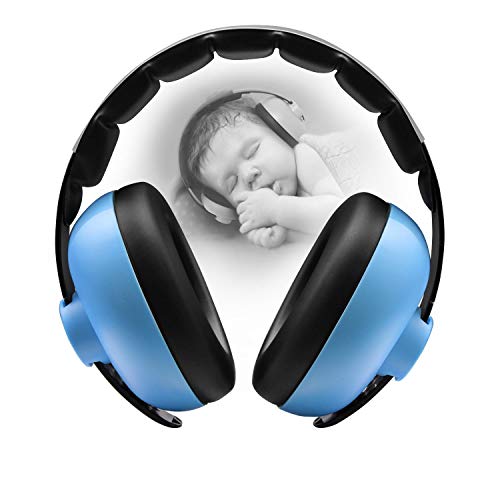
Best for: Babies at events and while traveling
The BBTKCARE baby earmuffs are designed for infants from 3 months through 3 years. They cover the ears with soft padding and use an adjustable headband for a closer fit. The product is listed as reducing loud sounds by 23 dB, which may help take the edge off fireworks, sports crowds, concerts, trains, and airplane noise. It is not a music headset, so it does not play audio or provide active electronic noise cancellation.
The compact design measures 5.4 by 2.75 by 6 inches, making it easier to pack in a diaper bag. BBTKCARE lists silicone-free and BPA-free materials, along with US and EU certifications. Around $18, these earmuffs cost less than many child-focused hearing protectors. The padded cups may also help during naps away from home, but comfort depends on your child’s head size and willingness to wear them. Check the measurements before buying, since the listed age range does not guarantee a fit for every baby.
Pros
- Covers both ears and lists 23 dB of noise reduction.
- Adjustable padded headband fits children from 3 months to 3 years.
- Silicone-free, BPA-free materials and a compact 5.4-inch package.
Cons
- Passive earmuffs reduce sound but do not remove noise completely or play audio.
- Some babies may reject the headband, especially during longer events or naps.
1. Baby 2-in-1 Noise Protection Headphones

Best for: Traveling families with noise-sensitive babies
These 2-in-1 baby earmuffs are designed for flights, car rides, trains, parties, and other loud settings. They use an ABS outer shell with sponge-filled PVC cushions. The materials are BPA-free, non-irritating, waterproof, and easy to wipe clean. The listed noise reduction is 24 dB, which can soften surrounding sound without creating total silence.
The set offers two wearing options. Use the conventional ear-muff frame or switch to the stretchy forehead headband, which avoids placing pressure over a baby’s soft spot. The headband has three adjustment positions and is intended for children from 0 to 48 months, though fit will vary by head size. The package includes two headbands, a storage bag, and an instruction manual inside a gift box. Its light design should pack easily for travel. These are protective earmuffs, not audio headphones, so they do not play music or connect to a phone.
Pros
- 24 dB sound reduction helps soften loud travel and event noise.
- Two wearing styles give parents more fit options during sleep or movement.
- BPA-free materials, waterproof surfaces, and removable-style cushions make cleanup easier.
Cons
- The earmuffs reduce noise but do not block all sound, so loud environments may still feel noisy.
- Fit can be difficult for some babies, especially when the headband or ear cups shift during movement.
Buying Guide
Safe volume control is the most important factor when choosing headphones for a baby on a flight. Young ears are sensitive, and loud audio can cause harm even during a short trip.
- Volume limit: Choose a model capped at 85 decibels or lower. Avoid products that let a phone or tablet override the built-in limit.
- Fit and coverage: Select ear cups that fully cover both ears without gaps. An adjustable band should fit securely without pressing the soft spot behind the ears.
- Comfort: Look for padded cups, smooth edges, and a flexible headband. Have your child wear them for 20 to 30 minutes at home before travel.
- Noise reduction: For passive earmuffs, look for a stated noise-reduction rating of about 20 decibels or more. Active noise cancellation can help, but it should not replace volume limiting.
- Travel practicality: A foldable design, protective case, and tangle-free cable simplify airport use. For wireless models, target at least 12 hours of battery life, and pack a charging cable.
If you cannot have every feature, prioritize the verified volume limit, then choose the most comfortable fit your child will keep wearing.
Frequently Asked Questions
How do baby headphones protect a child’s ears on an airplane?
Baby headphones reduce cabin noise with padded, passive ear cups, but they do not block every sound. Choose a model labeled for children, with a volume limit near 85 decibels and a headband that fits without pressure. Noise reduction can make announcements harder to hear, so keep an adult nearby.
What should I look for in airplane headphones for babies?
For airplane use, choose lightweight earmuffs with a secure fit, soft padding, and a built-in volume limit. A model under 200 grams is easier for a young child to wear during a two-hour flight. Avoid tight bands, loose parts, and adult headphones that may deliver unsafe volume levels.
Can babies wear noise-canceling headphones during a flight?
Yes, babies can wear infant-sized ear protection on flights when it fits gently and an adult supervises them. Use the cups for takeoff, landing, or loud cabin periods, then remove them during naps. Check the fit every 15 to 30 minutes, especially for babies who cannot describe discomfort.
Are wireless headphones a good choice for airplane travel with children?
Wireless baby headphones can work on airplanes, but wired models avoid charging and pairing problems. If you choose Bluetooth, check airline rules, pack a charged device, and bring a cable as backup. Many flights last two to six hours, so battery life should cover the trip, not just boarding.
Conclusion
Baby 2-in-1 Noise Protection Headphones remain the top pick for families who want one adjustable set for flights, airport noise, and other loud environments. If your priority is the smallest, lightest option for a short trip, choose a simple passive earmuff design instead, since it avoids batteries and extra controls. Before buying, double-check the size range and headband fit, confirm compatibility with any device or included audio cable, check the package quantity, and compare the current price across retailers. Comfort matters as much as noise reduction, so look for soft ear cushions and a band that does not press too tightly. Pack them before departure, then give your child time to adjust at home.
